All AI Articles
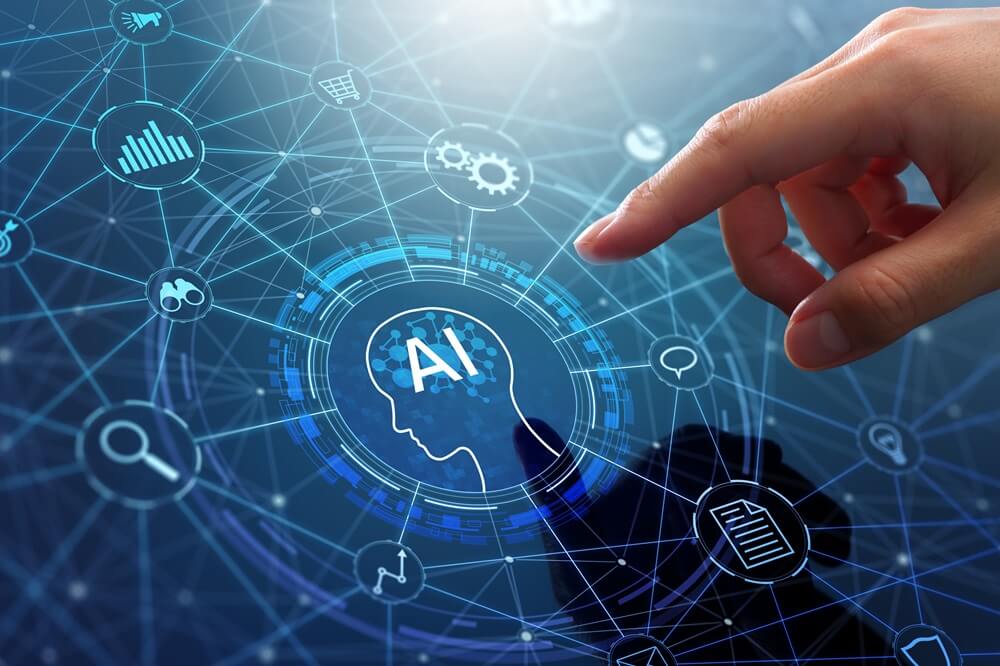
What is AI?
Basics of Artificial Intelligence.
Artificial Intelligence is a branch of computer science that aims to create machines capable of intelligent behavior. It enables systems to perform tasks like problem-solving, decision-making, learning, and understanding natural language, similar to human intelligence.

AI in Daily Life
AI surrounds us.
AI is part of our everyday life, from virtual assistants like Siri and Alexa to recommendation systems in Netflix and YouTube. It helps personalize experiences, automate tasks, and make smart decisions across apps, devices, and platforms.

The Future of AI
Shaping tomorrow’s technology.
The future of AI includes smarter healthcare diagnostics, autonomous vehicles, climate modeling, robotics, and enhanced education. It promises efficiency, creativity, and innovation, transforming industries and human life globally.

AI in Healthcare
Improving medicine & treatment.
AI helps in early disease detection, medical imaging analysis, personalized treatment plans, and managing patient records. It improves healthcare delivery, reduces errors, and assists doctors in making accurate decisions.

AI in Automation
Boosting productivity.
AI automates repetitive and time-consuming tasks in industries and offices. It improves efficiency, reduces human error, and allows employees to focus on creative problem-solving and strategic work.
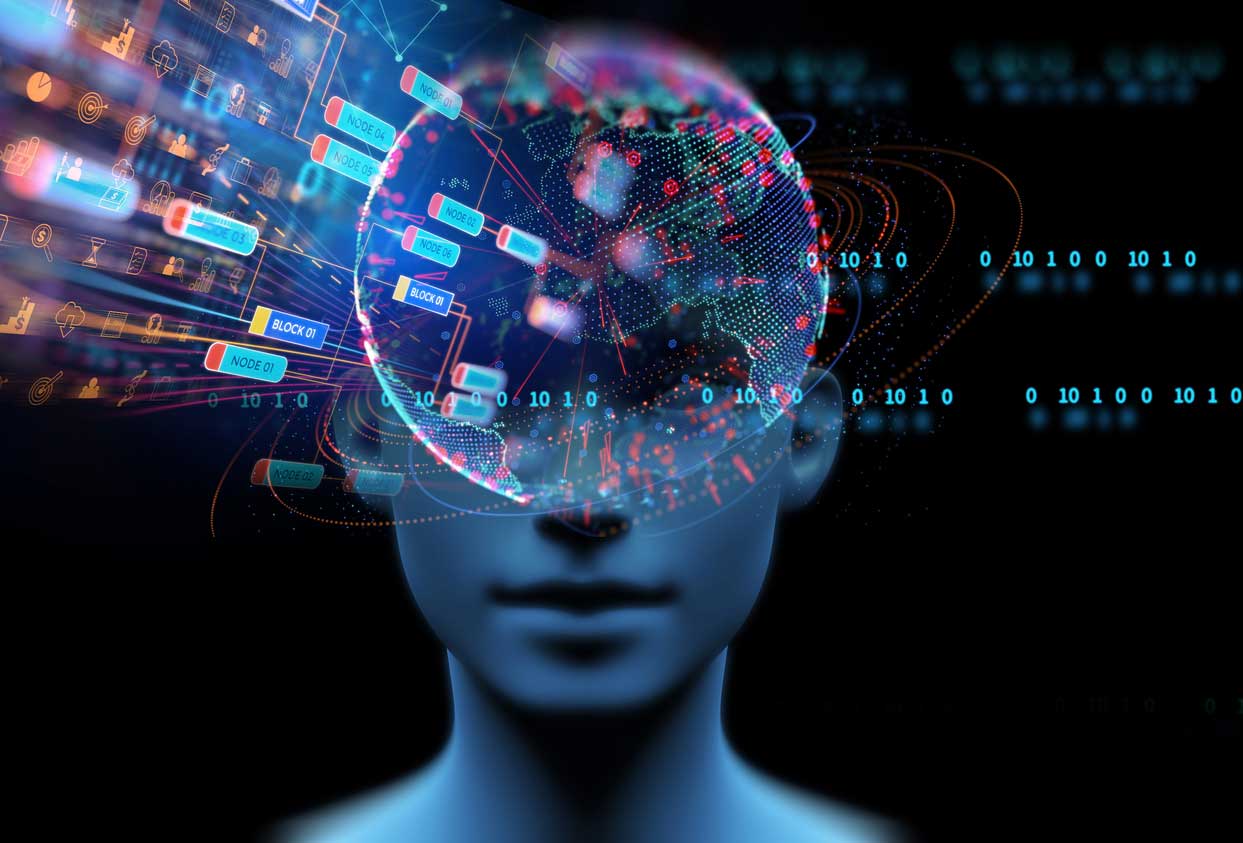
AI Innovation
Creative AI solutions.
AI fosters innovation in fields like fintech, transport, research, and education. It enables intelligent data analysis, predictive modeling, and new solutions for global challenges.
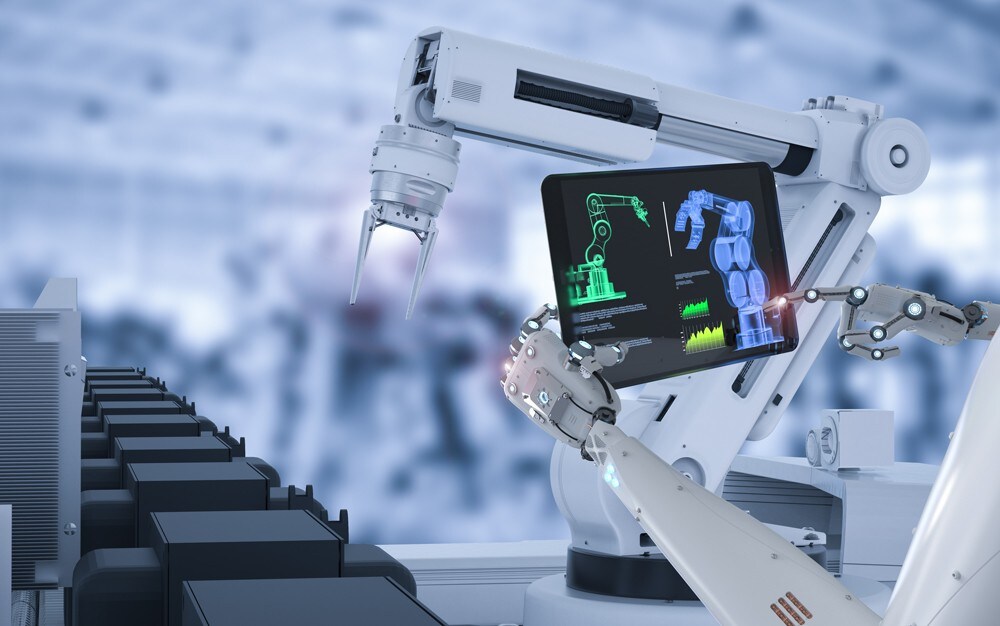
AI in Robotics
Smart machines & robots.
Robots powered by AI can perform tasks autonomously, assist humans in industries, healthcare, and households. They learn from data, adapt to environments, and help increase productivity safely.

AI in Education
Personalized learning.
AI enhances education through smart tutoring systems, adaptive learning platforms, and intelligent feedback. It identifies student weaknesses and provides tailored learning content for better results.

AI in Smart Cities
Managing urban life.
AI optimizes traffic, energy consumption, public safety, and waste management. It uses sensors and data analysis to improve city planning and create sustainable urban environments.

AI & Creativity
Enhancing creative industries.
AI generates art, music, and design concepts, helping creative professionals innovate faster. Generative AI tools assist in writing, animation, graphics, and multimedia content creation.

AI in Finance
Smart financial tools.
AI helps banks and fintech companies with fraud detection, risk assessment, automated trading, and personalized investment advice.
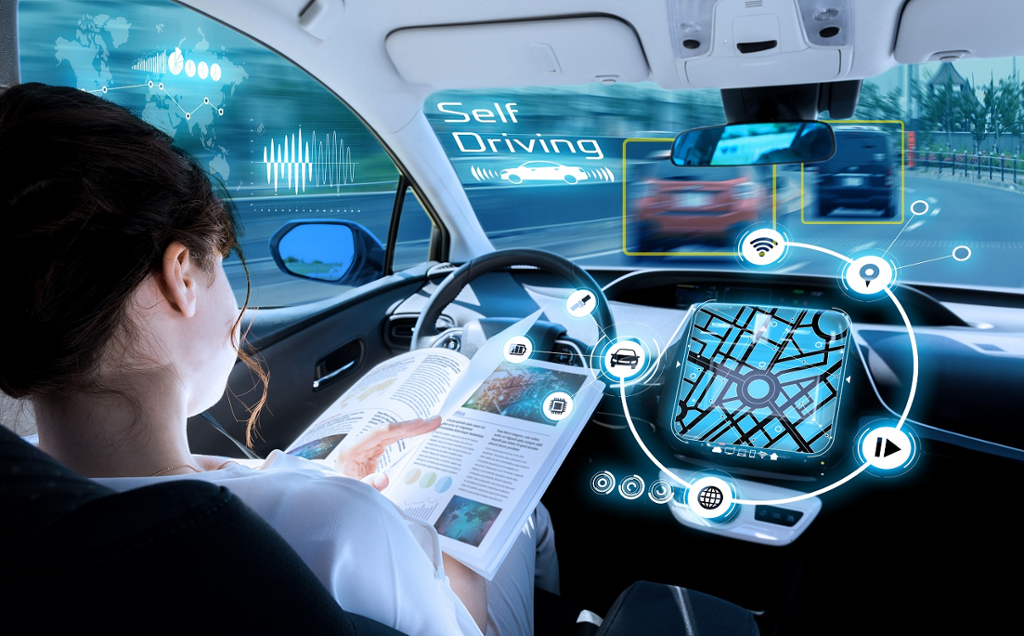
AI in Transportation
Self-driving & logistics.
AI enables autonomous vehicles, route optimization, predictive maintenance, and safer transport systems in cities and industries.

AI for Environment
Climate & sustainability.
AI predicts climate change, monitors pollution, optimizes renewable energy, and supports sustainable practices globally.

AI in Security
Cyber & physical safety.
AI detects cyber threats, monitors video surveillance, and enhances security systems to prevent attacks and ensure safety.

AI in Research
Scientific advancements.
AI assists in analyzing data, running simulations, and discovering new insights in medicine, physics, biology, and engineering research.
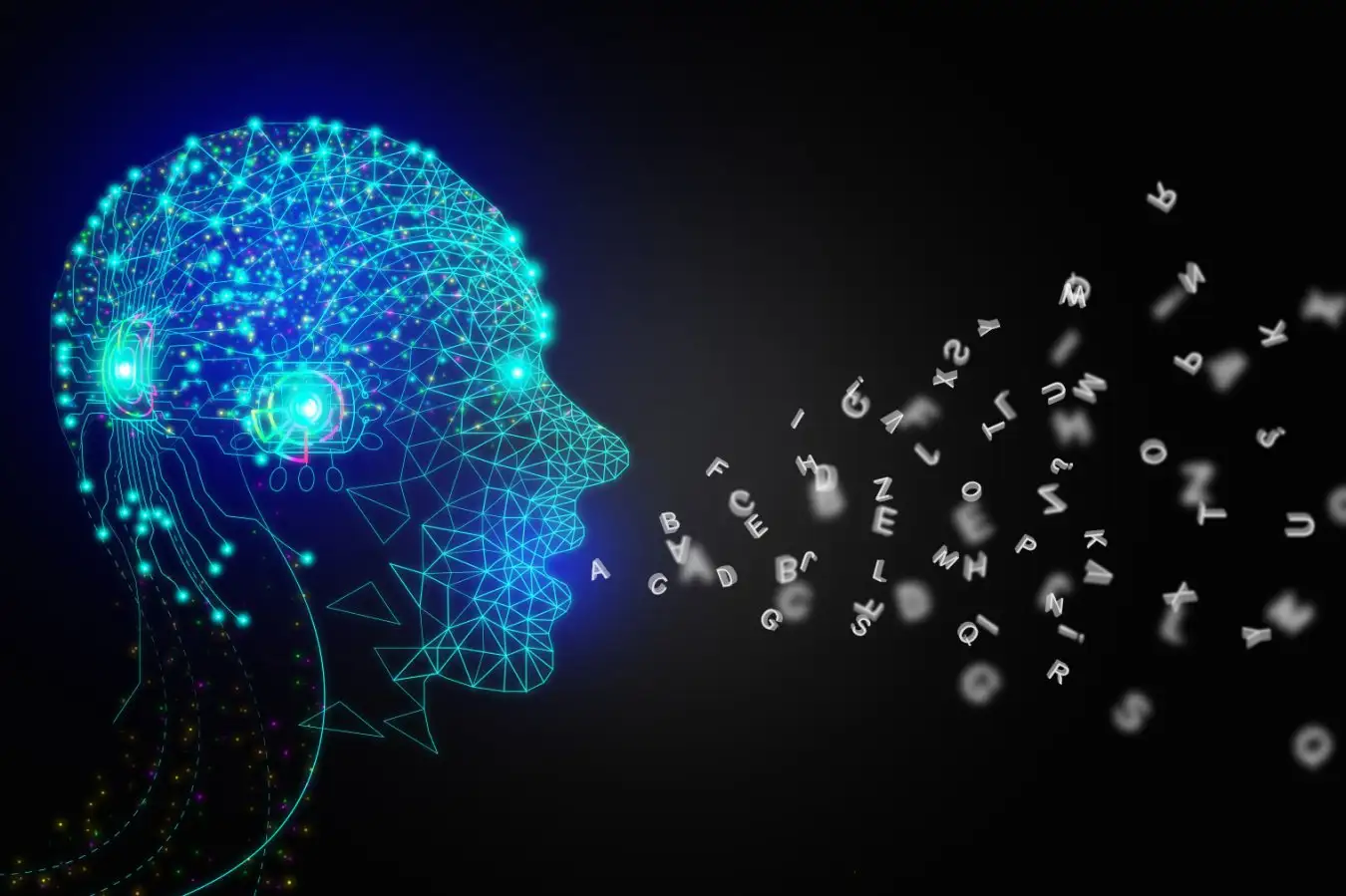
AI in Language
Understanding human language.
Natural Language Processing allows machines to understand, translate, summarize, and respond to human language in text and speech.

AI Robotics in Healthcare
Precision & assistance.
Robots guided by AI perform surgeries, assist in rehabilitation, and manage hospital logistics, increasing efficiency and patient care quality.
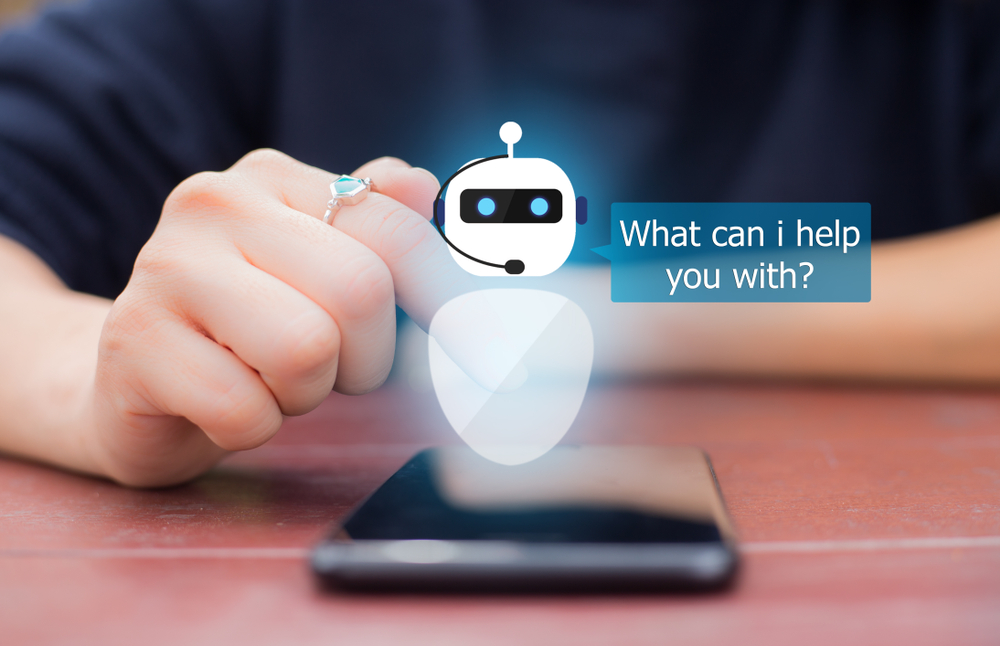
AI Chatbots
Virtual assistance.
AI chatbots provide instant customer support, answer queries, and handle repetitive tasks in businesses, e-commerce, and service industries.
AI in Gaming
Smart game experiences.
AI creates adaptive game environments, smart NPCs, and personalized experiences that respond to player behavior.
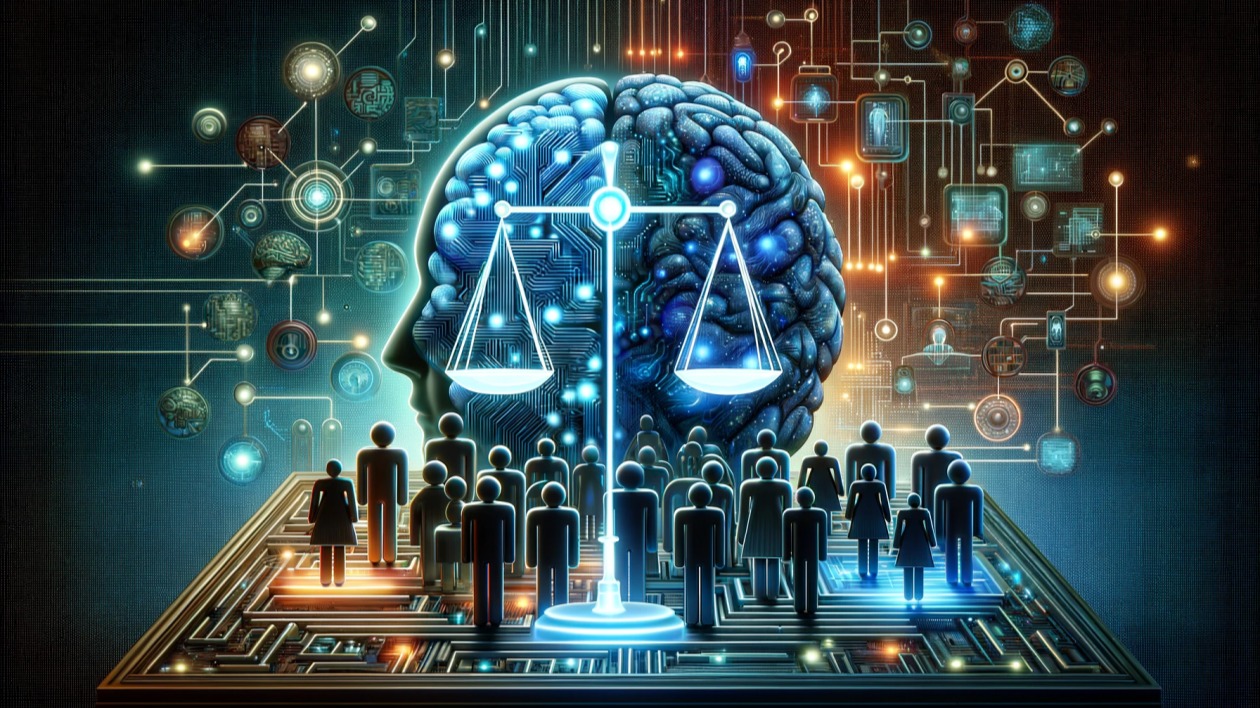
AI Ethics
Responsible AI usage.
Ethical AI ensures fairness, transparency, privacy, and accountability in AI systems to prevent bias, misuse, and harm.